
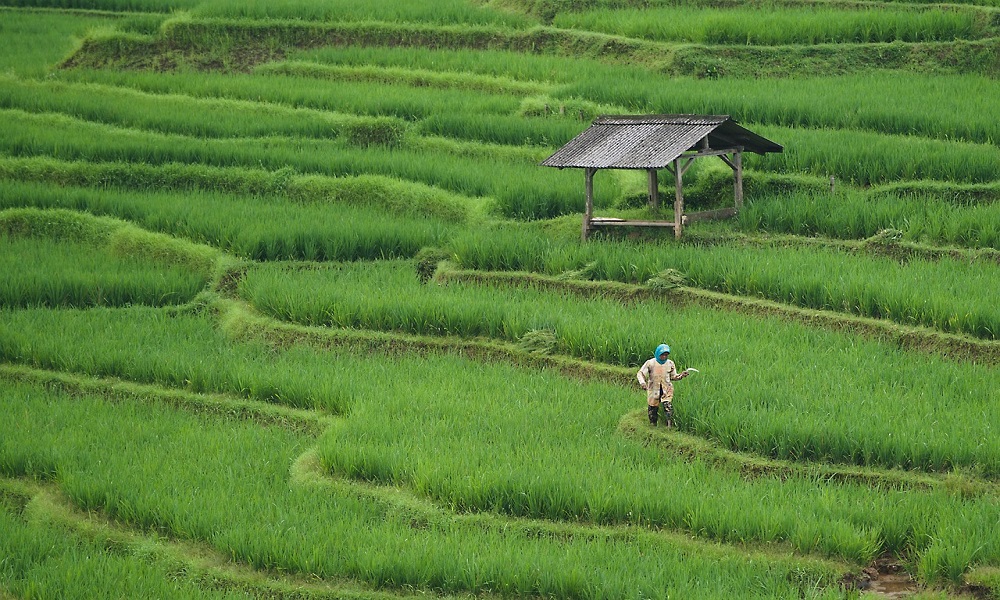
A Deep Dive into Organic Farming
Agriculture and farming have a long history. Agriculture is the main economic structure for many developed and developing countries. The modern agricultural practices affect the environment namely nutrient cycle, soil erosion, carbon sequestration, and many other ecological patterns. Organic farming is influential practice to minimize the environmental and ecological impact of sustainable development.
Organic farming, sustainable agricultural system that uses ecologically based pest controls and biological fertilizers derived largely from animal and plant wastes and nitrogen-fixing cover crops. Modern organic farming was developed as a response to the environmental harm caused by the use of chemical pesticides and synthetic fertilizers in conventional agriculture, and it has numerous ecological benefits.
Compared with conventional agriculture, organic farming uses fewer pesticides, reduces soil erosion, decreases nitrate leaching into groundwater and surface water, and recycles animal wastes back into the farm. These benefits are counterbalanced by higher food costs for consumers and generally lower yields. Indeed, yields of organic crops have been found to be about 25 percent lower overall than conventionally grown crops, although this can vary considerably depending upon the type of crop. The challenge for future organic agriculture will be to maintain its environmental benefits, increase yields, and reduce prices while meeting the challenges of climate change and an increasing world population.
Organic farming, sustainable agricultural system that uses ecologically based pest controls and biological fertilizers derived largely from animal and plant wastes and nitrogen-fixing cover crops. Modern organic farming was developed as a response to the environmental harm caused by the use of chemical pesticides and synthetic fertilizers in conventional agriculture, and it has numerous ecological benefits.
History
The concepts of organic agriculture were developed in the early 1900s by Sir Albert Howard, F.H. King, Rudolf Steiner, and others who believed that the use of animal manures (often made into compost), cover crops, crop rotation, and biologically based pest controls resulted in a better farming system. Howard, having worked in India as an agricultural researcher, gained much inspiration from the traditional and sustainable farming practices he encountered there and advocated for their adoption in the West. Such practices were further promoted by various advocates—such as J.I. Rodale and his son Robert, in the 1940s and onward, who published Organic Gardening and Farming magazine and a number of texts on organic farming. The demand for organic food was stimulated in the 1960s by the publication of Silent Spring, by Rachel Carson, which documented the extent of environmental damage caused by insecticides.
Organic food sales increased steadily from the late 20th century. Greater environmental awareness, coupled with concerns over the health impacts of pesticide residues and consumption of genetically modified (GMO) crops, fostered the growth of the organic sector. In the United States retail sales increased from $20.39 billion in 2008 to $47.9 billion in 2019, while sales in Europe reached more than $52 billion (€45 billion) in 2019.
The price of organic food Is generally higher than that of conventionally grown food. Depending on the product, the season, and the vagaries of supply and demand, the price of organic food can be anywhere from less than 10 percent below to more than 100 percent above that of conventionally grown produce.
ADVANTAGES –
No harmful chemicals used –
Industrial farming today utilizes a combination of synthetic chemicals, including pesticides, herbicides, and fertilizers, that may end up in the food you consume and the water you drink. Organic farming does not use such dangerous chemicals. Hence, you, your family, and the environment are shielded from health complications and pollution.
Nutrient dense –
Organic produce, fruits, and vegetables are grown on healthy soil; hence, they are capable of realizing their full taste. These crops do not require synthetic fertilizers and are rich in vitamins, minerals, and other antioxidants that nature has to offer.
Environment friendly –
Organic farming is all about maintaining a natural system of agriculture that does not harm the soil or the environment as a whole. Organic farms do not use synthetic input and pesticides and thus create a sanctuary for pollinators, beneficial insects, and wildlife that enhance ecosystem services and improve ecosystem health.
Climate friendly –
Organic farming cultivation has been found to be efficient in that it does not harm the natural environment in the way that usual methods do. Synthetic fertilizers are products of highly energetic processes; organic farming prohibits their use and advocates for such as crop rotation and minimum turning of the soil; hence, it aids in climate change management.
Soil conservation –
A healthy soil base is of effectual importance for an improved and sustainable farming method, and organic farming is all about the soil. Such practices as the use of cover crops, crop rotation, and natural manure, which are among the various types of agricultural practices in India, all serve to enrich the soil, conserve it from washing away, and serve future generations’ fertility needs.
DISADVANTAGES –
Lower yield –
The very first disadvantage of organic farming is that farming yields less than conventional agriculture. This, however, is important since although organic farmers who do not use Artificial fertilizers and pesticides may have some problems with pest and disease control, weeds, and soil fertility, they will be able to offer less yield per unit area.
Higher production cost –
Organic farming practices are normally more difficult and, hence, are expensive to carry out. Some of the factors that could result in a variation in the operation cost include the timing operations, intensity, and direction of operations, the type of operations such as manual weeding and natural pest control, the frequency of the operations, and the type of inputs such as the organic fertilizer.
Vulnerable to pest-
As for organic farms, synthetic pesticides are not allowed to be used in the rearing of the farms. Hence, the farms could be easily affected by pests and plant diseases. Farmers generally apply natural pest control, which is not effective in severe outbreaks and leads to crop losses.
Skilled labor requirement –
Organic farming techniques are more challenging to master than traditional farming because they are still developing their methods in many states. The farmers need to know how to control pests using natural mechanisms, how to execute crop rotation, and so on, which some may not need to learn.
Longer transition period –
It is not easy for a regular farmer to start organic farming. Farmers need to bear the costs of organic agriculture, and the crop can only be sold as organic once the farmers have been in the process for several years. Consequently, this transition period could be financially difficult for farmers.
CONCLUSION –
Organic farming is a sustainable agricultural approach that promotes environmental health, soil fertility, and biodiversity while producing safer, healthier food and reducing pollution from synthetic chemicals. While facing challenges like lower initial yields and increased labor, it offers a viable solution to global issues like climate change and soil degradation, ultimately contributing to long-term food security and rural economic revitalization.